Tête-a-tête with Kyle Orwig

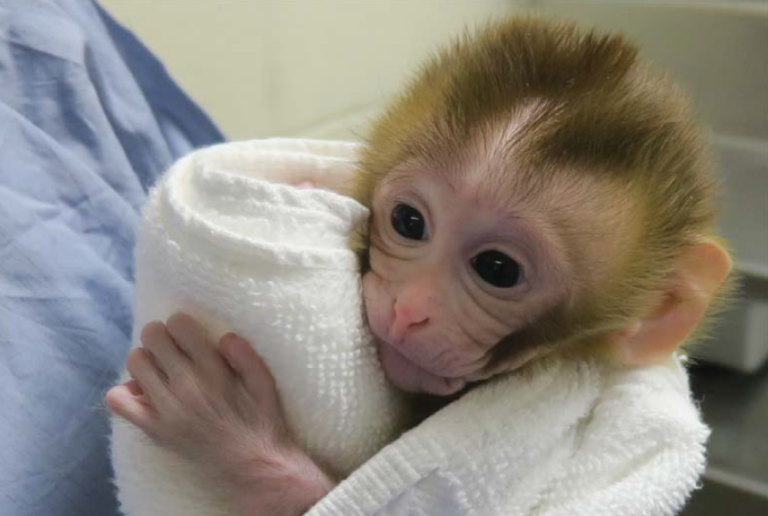
This time we bring an interview with the leader behind the group that recently published in Science the successful birth of Grady, the first rhesus macaque born after an autologous graft of immature testicular tissue. Professor Kyle Orwig obtained his PhD from Oregon State University in 1994. Afterwards, he completed postdoctoral training at the University …

Read more

First live birth after autologous testicular tissue grafting in rhesus macaques

Fertility preservation in young people before gonadotoxic therapies (for cancer or other diseases) is nowadays one of the most challenging issues in reproductive biology. However, interesting breakthroughs are bringing it closer to reality. As we commented in our last post, Dr. Goossens’ group achieved complete spermatogenesis in intratesticular testis tissue xenotransplants from immature non-human primates. …

Read more

Complete spermatogenesis in intratesticular testis tissue xenotransplants from immature non-human primate

Boys receiving gonadotoxic treatment (e.g. chemo- or radiotherapy) before puberty face the possibility of being infertile when they reach adulthood due to the loss of germ cells. As mature spermatozoa are not present, the only fertility preservation strategy currently offered involves the cryopreservation of immature testis tissue (ITT) containing spermatogonial stem cells (SSCs). Auto-transplantation of …

Read more

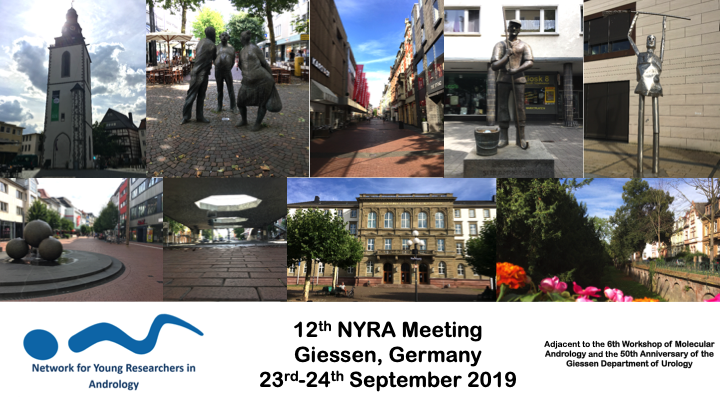
12th Meeting of the Network for Young Researchers in Andrology

By CONSTANZE MARESCH It is our great pleasure to announce the 12th NYRA Meeting, that will be held in Giessen, Germany, on September 23rd – 24th 2019. This year the meeting will be held adjacent to the 6th International Workshop on Molecular Andrology (https://www.uni-giessen.de/fbz/fb11/institute/anatomie/molandrol2019) and the 50th Anniversary of the Department of Urology in Giessen. …

Read more

Tête-a-tête with Colin Duncan

Colin Duncan is a clinician scientist who graduated from the University of Edinburgh. He is the chair of the Society for reproduction and Fertility and a Principal Investigator in the MRC Centre for Reproductive Health at the University of Edinburgh