Tête-à-tête with Frédéric Chalmel

We’re excited to highlight another plenary speaker for the 18th NYRA Meeting: Dr. Frédéric Chalmel. He is a Research Scientist at Inserm and co-leads the UrGenT team (Physiology and Physiopathology of the Urogenital Tract) at the Irset Institute in Rennes. His research focuses on functional and integrative genomics, particularly transcriptomics, to study the development and physiology of the mammalian urogenital tract and …

Read more

Tête-à-tête with Aurora Ruiz-Herrera

We are pleased to feature an interview with Prof. Aurora Ruiz-Herrera, another speaker at the 18th NYRA Meeting. Prof. Ruiz-Herrera is a Full Professor at the Universitat Autònoma de Barcelona and leads the Evolutionary Genomics Group. Her work explores how mammalian genomes are organized and how genome architecture evolves, providing important insights into chromosome biology, germ cell development, and …

Read more

Tête-à-tête with David Skerrett-Byrne

We are pleased to feature an interview with Dr. David Skerrett-Byrne, another speaker at the 18th NYRA Meeting. Based at the German Research Center for Environmental Health, his research explores how environmental stress and epigenetic signals shape sperm function, male fertility, and offspring health. With a strong focus on the epididymis, his work aims to redefine clinical andrology …

Read more

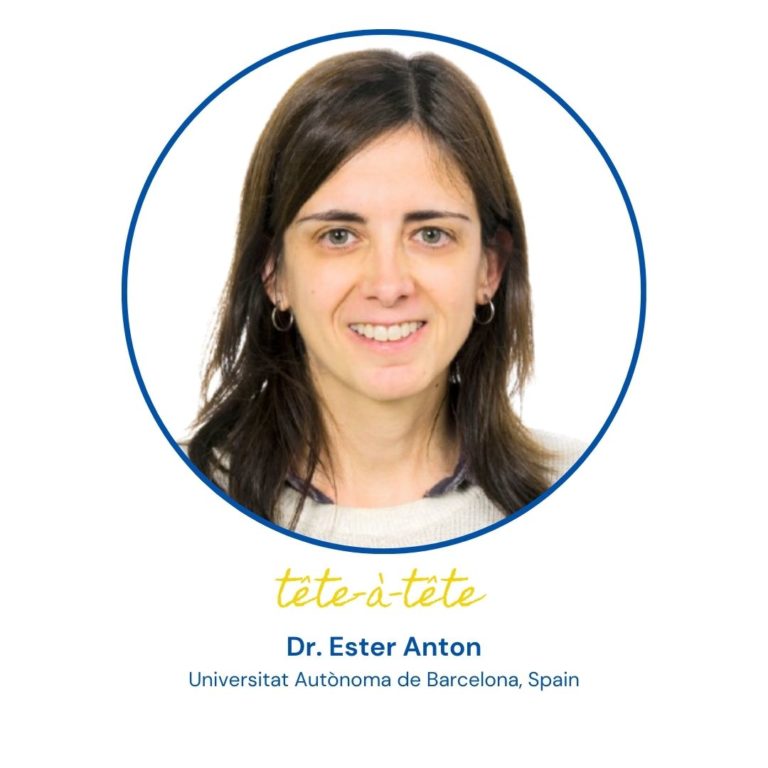
Tête-à-tête with Ester Anton

We are delighted to introduce Dr. Ester Anton, a speaker at the 18th NYRA Meeting. Dr. Anton is a researcher at the Universitat Autònoma de Barcelona, Spain, in the Genome Integrity and Reproductive Biology group. Her research focuses on male reproductive biology, including molecular and multi-omics analyses of sperm and the identification of biomarkers relevant …

Read more

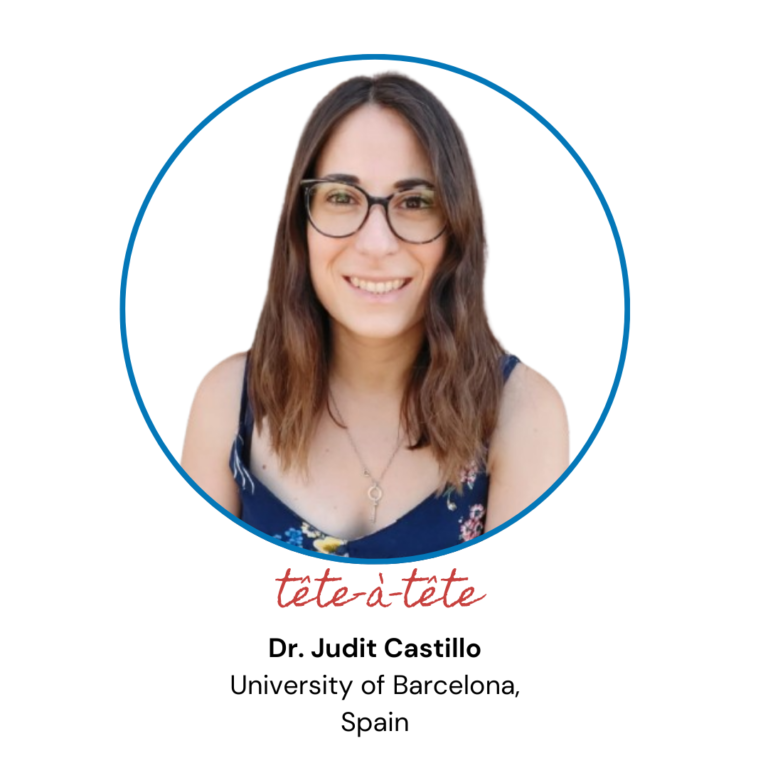
Tête-à-tête with Judit Castillo

We are delighted to introduce an interview with Dr. Judit Castillo Corullón, a speaker at the 17th NYRA Meeting. Dr. Castillo is a Serra Húnter Lecturer at the Genetics Unit, Department of Biomedicine, University of Barcelona, and a member of the Molecular Biology of Reproduction and Development research group (IDIBAPS). Her research focuses on male reproductive biology, particularly sperm proteomics and male fertility. …

Read more

Tête-à-tête with Erika Matunis

We are excited to introduce Dr. Erika Matunis, a speaker at the 17th NYRA Meeting. Dr. Matunis is a Professor of Cell Biology at the Johns Hopkins University School of Medicine, where her research explores how stem cells renew and differentiate. Her work uses the fruit fly testis as a model to study the molecular signals that regulate the proliferation and differentiation of germline …

Read more

Tête-à-tête with Elizabeth Bromfield

We are pleased to feature an interview with Dr. Elizabeth Bromfield, another speaker at the 17th NYRA Meeting. Dr. Bromfield is an ARC DECRA Fellow at the Priority Research Centre for Reproductive Science, where her work focuses on how human sperm cells recognize and interact with the egg to improve in vitro fertilization outcomes. Her research has provided key insights into sperm-egg recognition and the …

Read more

Reproductive late effects and testosterone replacement therapy in male childhood cancer survivors: A population-based study (the Fex-Can study)

Nowadays, most children with cancer survive, but many experience long-term effects from their cancer treatment. Treatments like conditioning therapy for hematopoietic stem cell transplantation, high cumulative doses of alkylating agents and radiation can damage the gonads, leading to problems such as infertility and delayed puberty in males. Identifying and addressing these issues in follow-up care …

Read more

Tête-à-tête with Aurore Roland

Meet Aurore Roland, our guide into the science behind good sleep at the upcoming 16th NYRA Meeting in Brussels (May 27th-29th). Dra. Aurore Roland obtained her master’s degree in clinical psychology from the Vrije Universiteit Brussel (VUB) in 2021. The same year she became a European Sleep Research Society-certified expert in behavioural sleep medicine. She …

Read more